
MobileApps
What’s Included:
- Native iOS & Android
- React Native / Flutter
- Offline-first sync
- Store release management
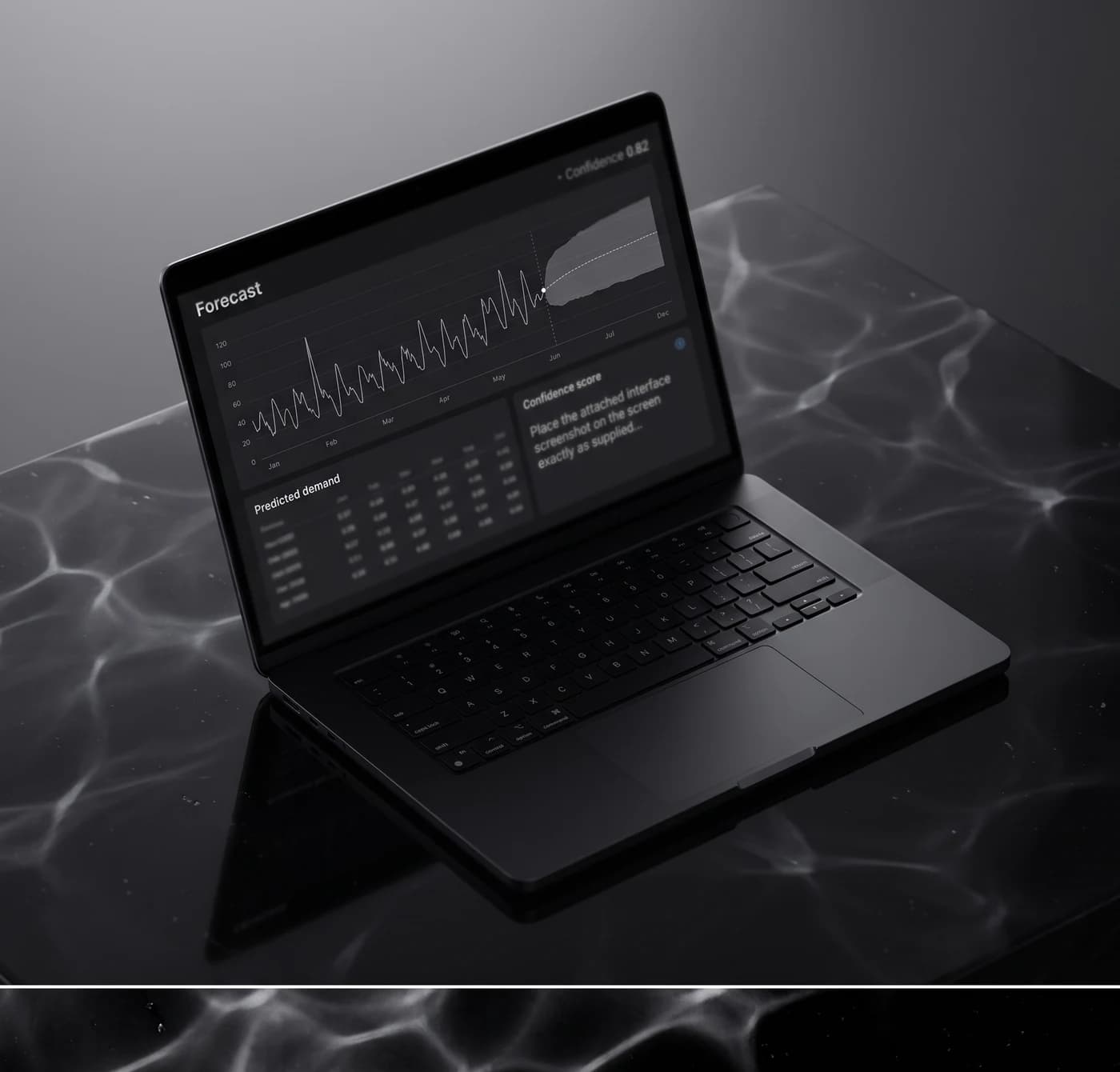
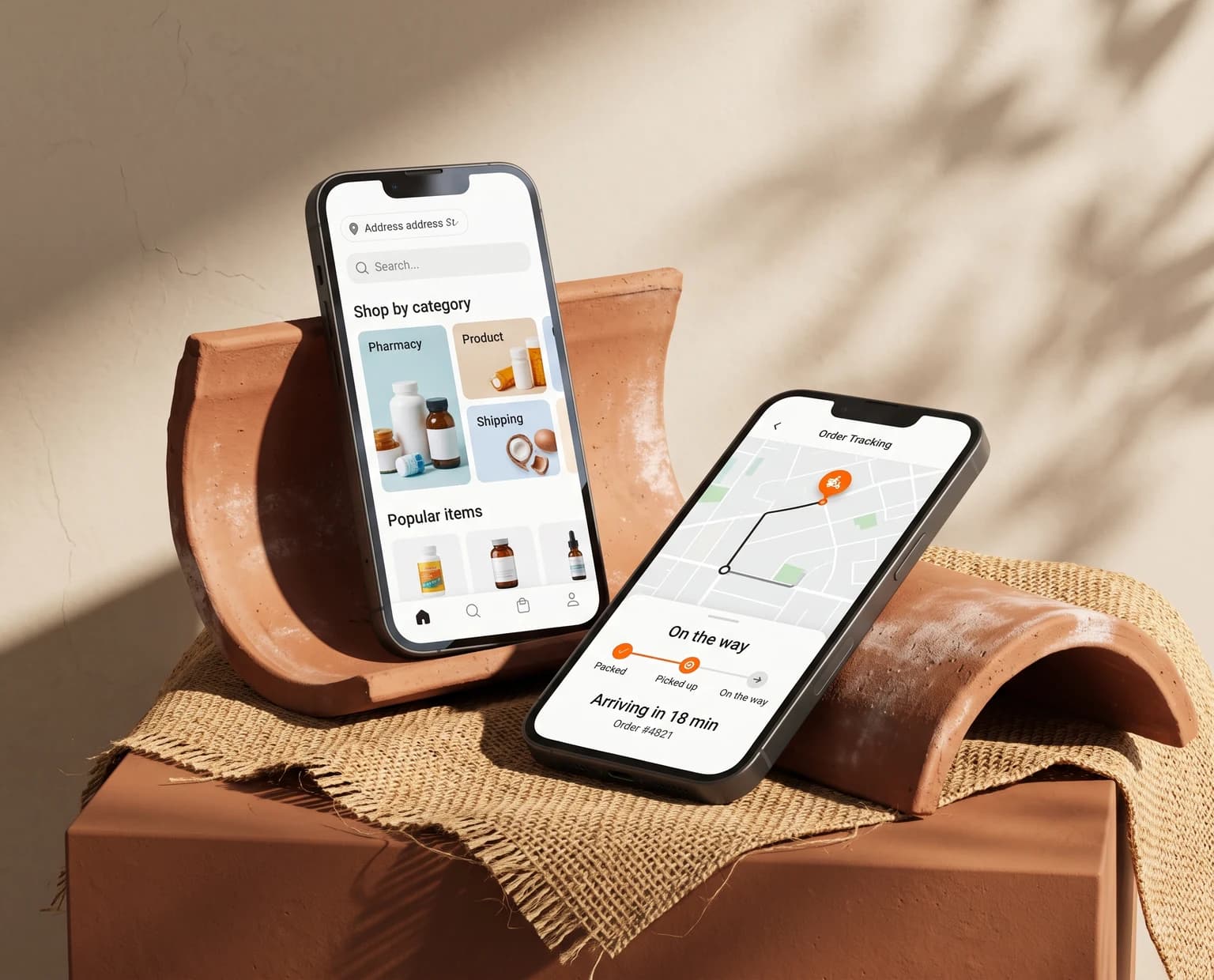
We build apps for how they will actually be used — on a weak connection, one-handed, by someone who is busy — not for how they look in a store screenshot.
Working Process
- Usage & Constraints First – Where the app is used, on what hardware and on what connection. Those three answers decide native versus cross-platform, not preference.
- Build in Sprints – Two-week cycles with a real build on your device every fortnight, distributed through TestFlight and internal testing tracks.
- Release & Iterate – Store submission handled for you, with crash reporting, analytics and an update pipeline, plus 6–12 months of support.
Offline Is The Normal Case, Not The Edge Case
Field apps lose signal. We design the sync model, conflict resolution and local storage up front, so a dropped connection is an inconvenience rather than lost work.
- Whether it is a customer-facing app or a tool for staff in the field, the data model and sync strategy decide whether it survives real conditions.
- We cover every stage — platform choice, offline sync, push notifications, store submission, crash reporting and the release pipeline that follows.
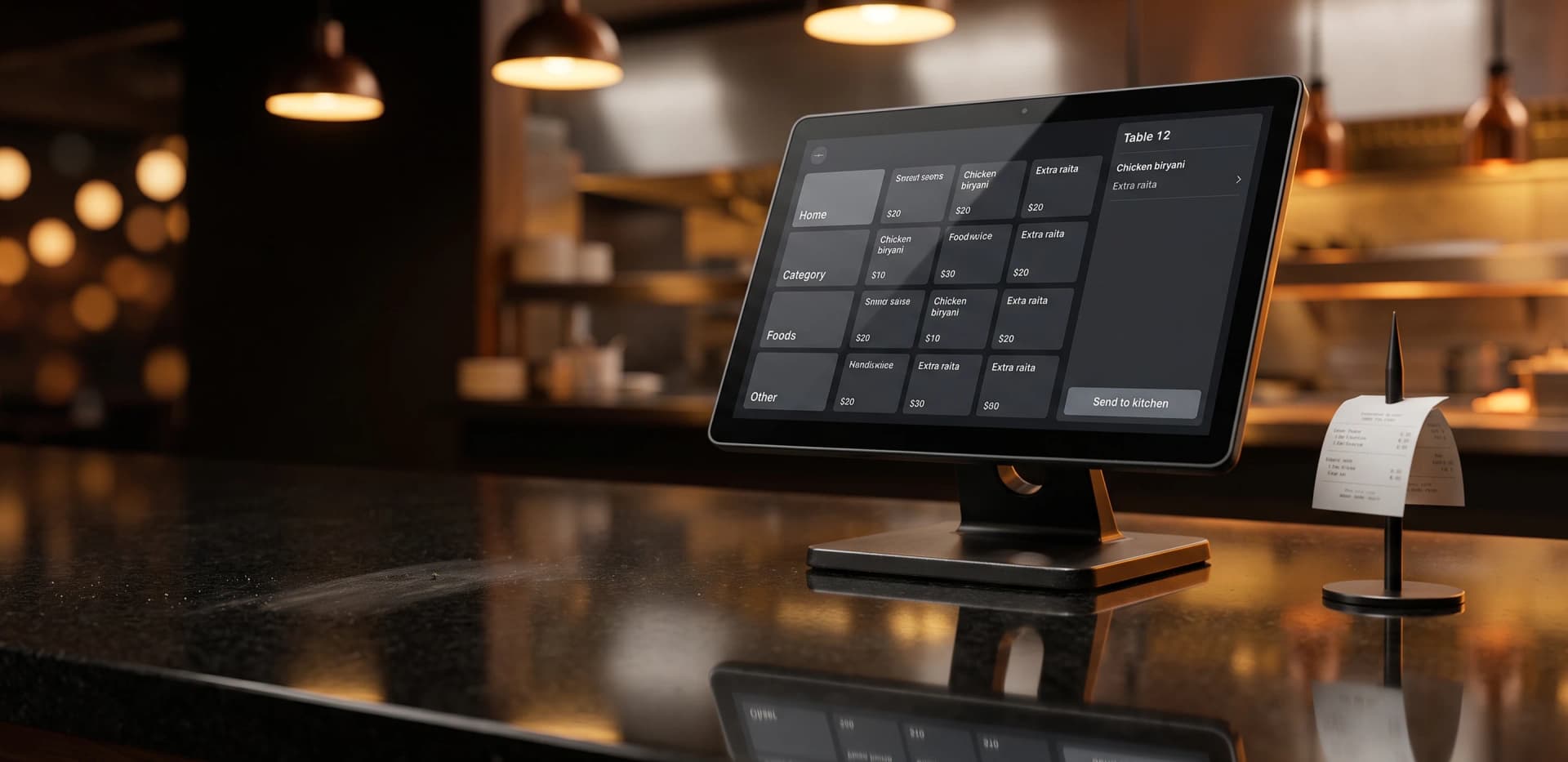
What We Deliver
- Native iOS and Android development
- Cross-platform builds with React Native / Flutter
- Offline-first data sync and local storage
- App Store and Play Store release management
Your Developer Accounts, Your Signing Keys
Store listings, signing certificates and release pipelines belong to you from day one. Handover is a matter of removing our access, not migrating anything.

Tools & Tech
- React Native
- Swift
- Kotlin
- Firebase

Platforms, storefronts and internal systems delivered for clients across eCommerce, health tech, fintech and logistics.
Client satisfaction across delivered engagements — measured on what shipped, not on what was promised at kickoff.
Typical uptime after migration, with monitoring, alerting and zero-downtime deploys set up as part of the build.
What You Get
One senior team from discovery through to launch and beyond — weekly written updates, an open backlog, and direct access to the engineers doing the work. The people in your kickoff call are the people writing the code.
- Platform decision – Native or cross-platform argued from your usage and budget, with the trade-off written down.
- App engineering – Offline-first data, push notifications and accessibility, with automated builds on every merge.
- Handover & support – Store accounts, signing keys and release runbooks you own, plus 6–12 months of post-launch support.
How a project runs
The same five stages every time. Pick a project to see what each one produced.
Illustrative engagements — the stages are ours, the names and figures are examples.
- Span
- 18 weeks
- Team
- 4 engineers
- Stack
- Next.js
- Node.js
- PostgreSQL
- Docker
Discovery
2 weeksUnderstand the work before designing for it
Two weeks in the depot and the finance office. Eleven spreadsheets found, four of which disagreed about the same stock.
Signed scope
Architecture
2 weeksMake the expensive decisions deliberately
Stock, jobs and invoices modelled as one ledger, so a movement is recorded once and read everywhere rather than re-keyed three times.
Data model
Build
11 weeksTwo-week cycles against a signed scope
Five cycles. The depot module shipped first because that was the one costing a day a week.
Staging every fortnight
Launch
1 weekA rehearsed go-live with a way back
Run in parallel with the spreadsheets for nine days, until both sets of numbers agreed on a Friday close.
Cutover
Support
6 monthsMonths, not a handover email
Monitoring, month-end patches, and two rounds of changes the depot asked for once they had actually used it.
Handover
[ Project Brief ]
Bring us the brief, webring back the scope
Tell us what the system has to do, the metric you'd move, andthe deadline. Within 4 business hours we send back a writtenscope, a fixed estimate, and the two projects closest to theproblem you're describing.
Rather say it than type it?
Both of these reach the engineers who would do the work — no account manager in between, no discovery deck before the first question.
- eCommerce & Retail
- Health Tech
- Manufacturing
- Logistics
- Hospitality
- Education
- Fintech
- Real Estate
- SaaS & B2B
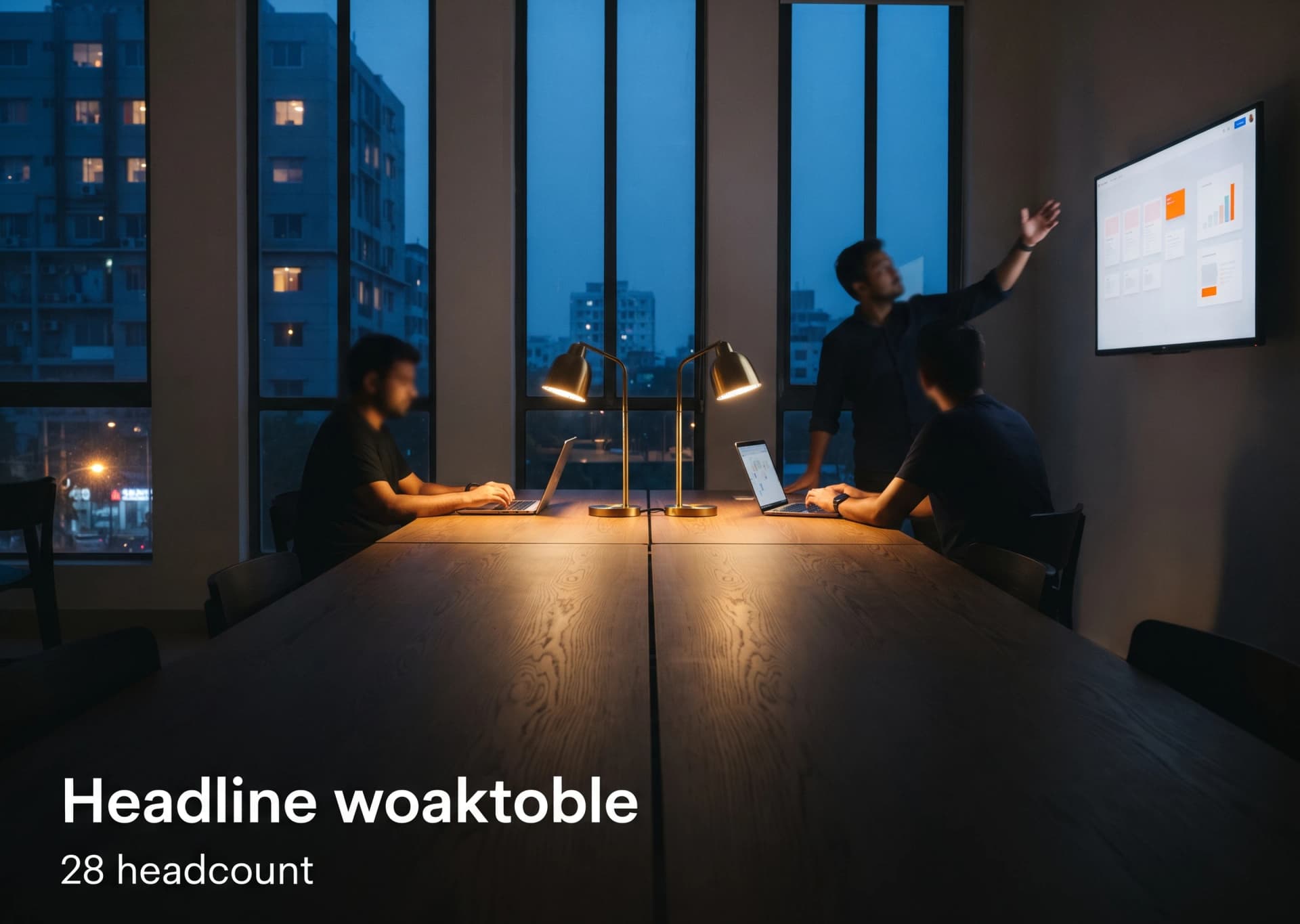
The engineers who will actually build your system
[ OUR TEAM ]
