
WebApplications
What’s Included:
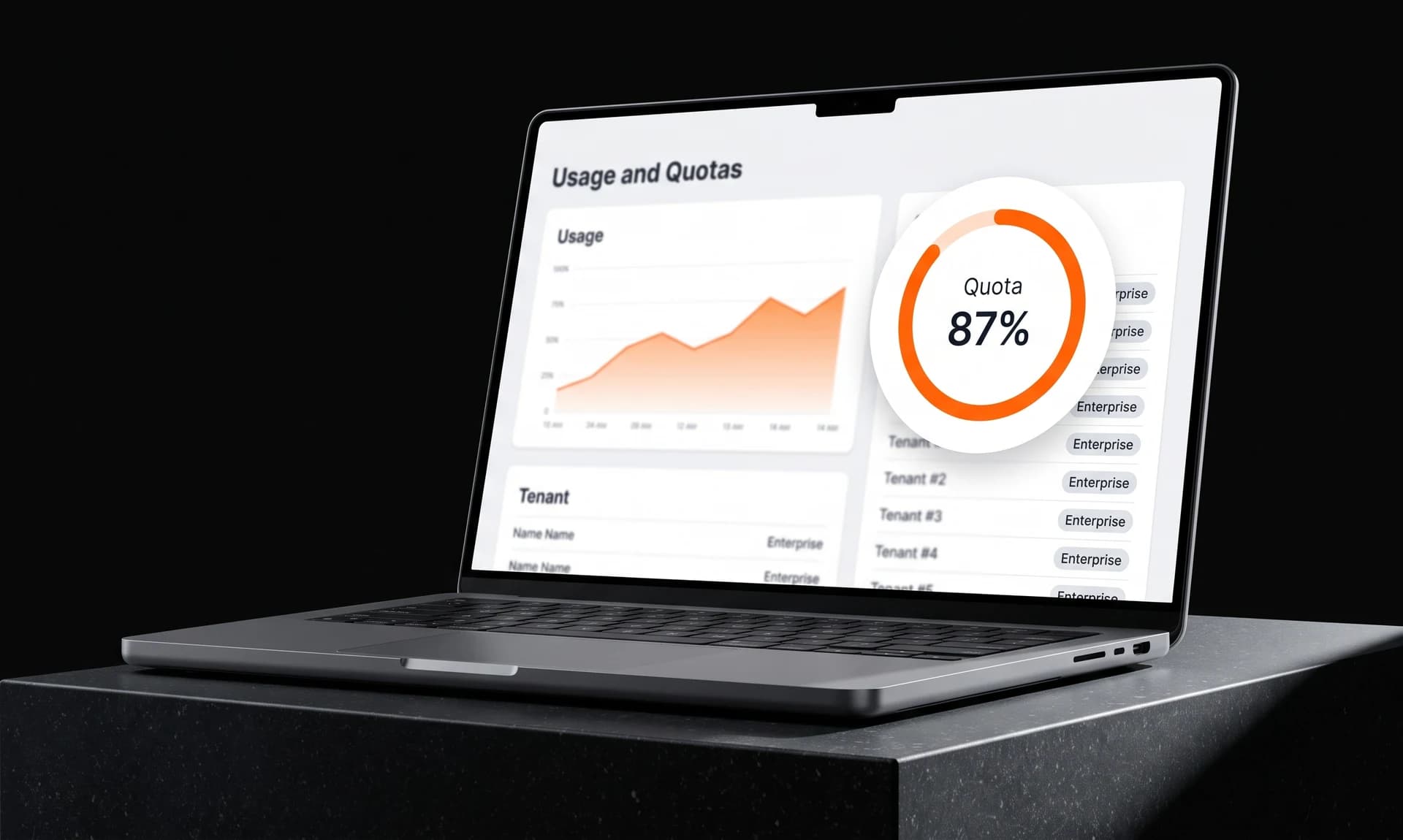
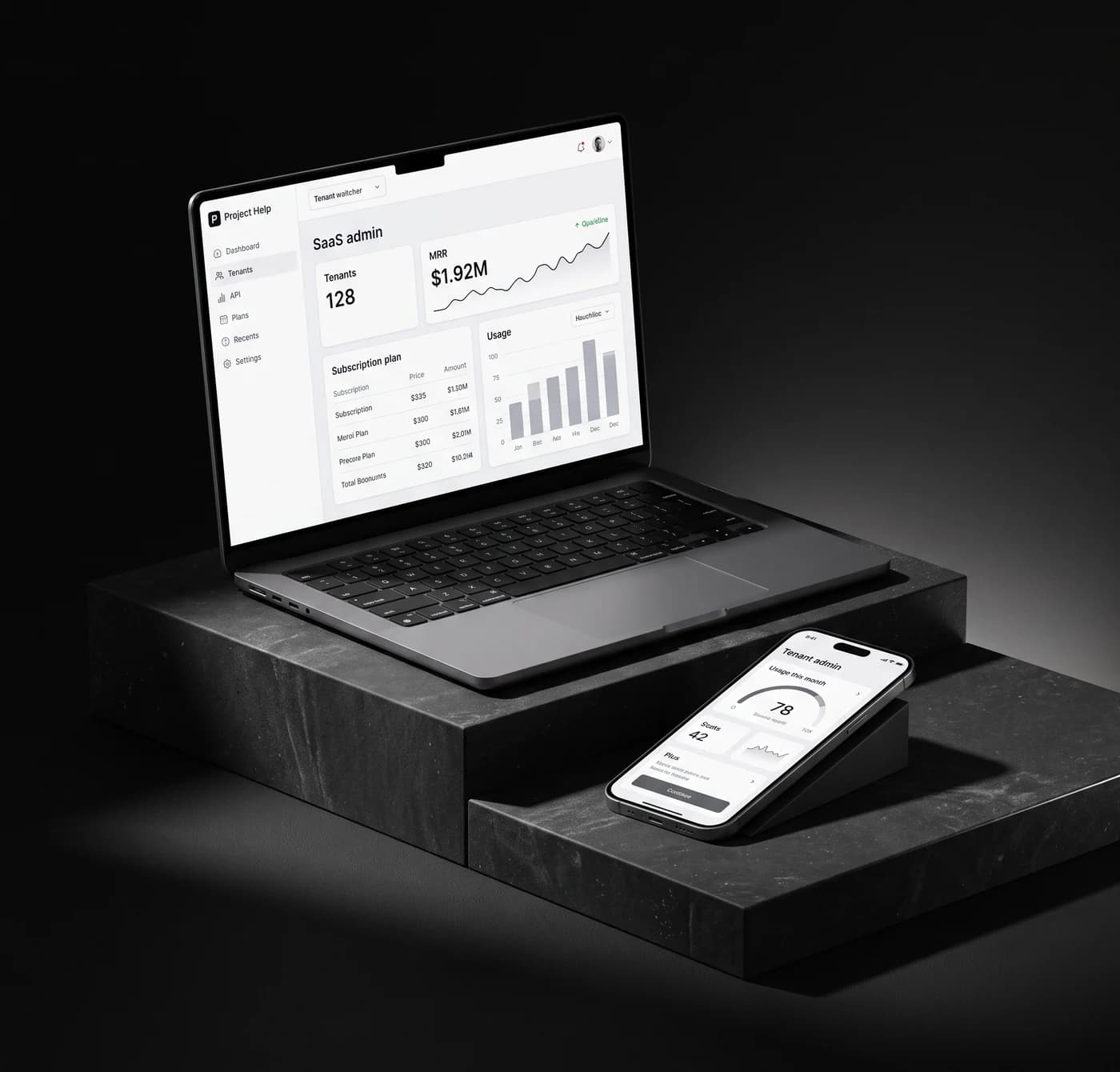
- Dashboards & portals
- Role-based access
- Real-time data
- A performance budget

We build the web applications a business runs on — dashboards, portals and internal tools that stay quick once there is real data behind them.
Working Process
- Screens & States – We agree the screens, the roles that see them and what each one does when the data is empty, slow or wrong. That list is the scope.
- Build in Sprints – Two-week cycles against a signed scope. Every fortnight you get working software on staging, not a status deck.
- Launch & Support – A rehearsed go-live with a rollback plan, then 6–12 months of monitoring, patches and bug fixes included.
Fast On The Tenth Thousand Row, Not Just The Tenth
Most internal tools are quick in a demo and unusable a year in. We set a performance budget at the start, seed staging with production-sized data, and hold the build to it on every merge.
- Server rendering, pagination and query design decided against the data volume you will actually have, not the one in the prototype.
- Accessibility, keyboard paths and error states are part of the definition of done — these are tools people use all day.
What We Deliver
- Dashboards, portals and admin surfaces
- Role-based access and audit trails
- Real-time updates where they earn their cost
- Exports, reporting and scheduled jobs
Built To Be Handed Over
Documentation, tests and runbooks are part of the deliverable, not an afterthought you have to chase us for. Source, infrastructure definitions and design files live in accounts you control from the first commit.

Tools & Tech
- Next.js
- React
- PostgreSQL
- Redis
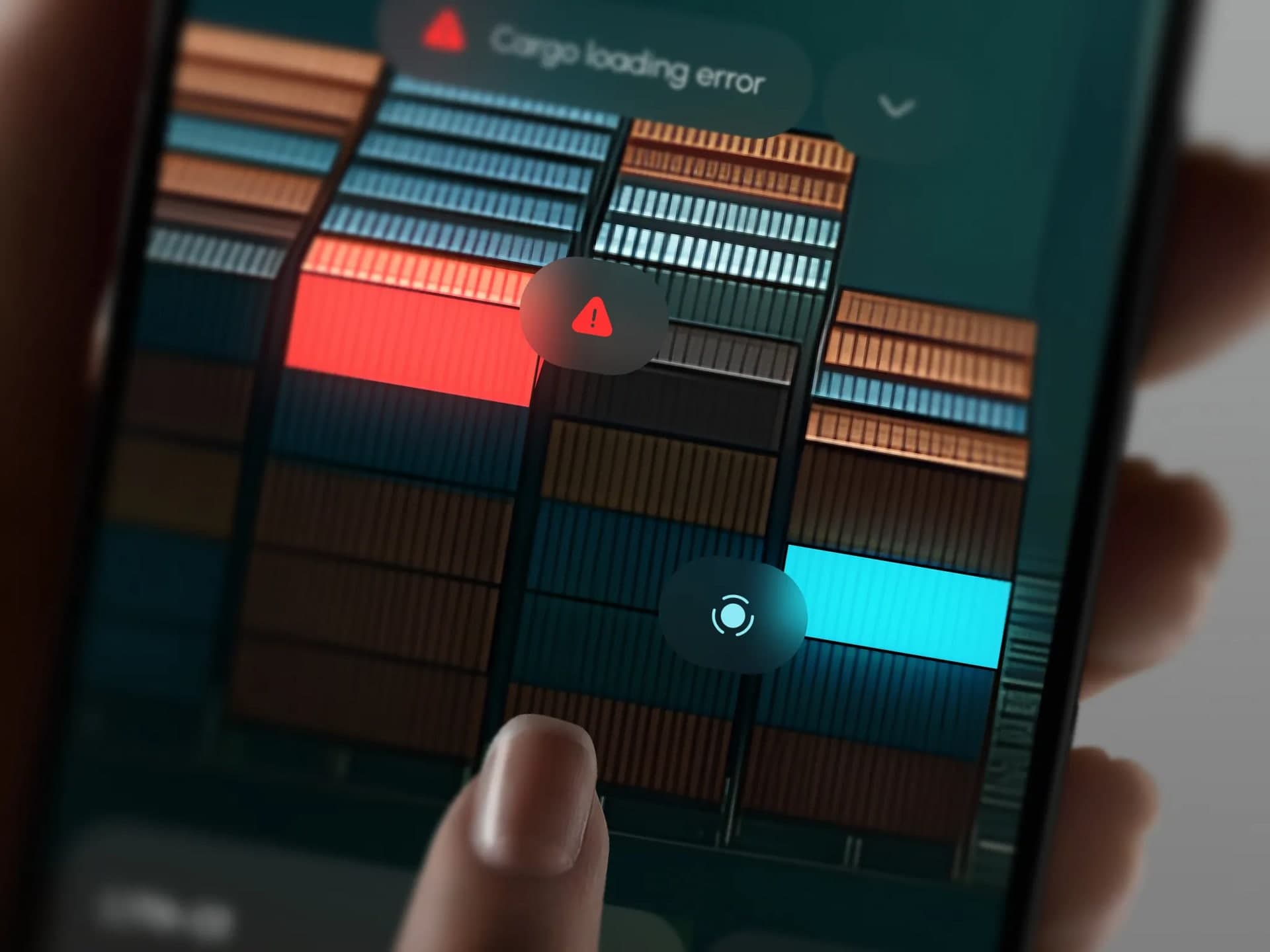
Platforms, storefronts and internal systems delivered for clients across eCommerce, health tech, fintech and logistics.
Client satisfaction across delivered engagements — measured on what shipped, not on what was promised at kickoff.
Typical uptime after migration, with monitoring, alerting and zero-downtime deploys set up as part of the build.
What You Get
One senior team from discovery through to launch and beyond — weekly written updates, an open backlog, and direct access to the engineers doing the work. The people in your kickoff call are the people writing the code.
- Interface engineering – Every screen, role and empty state agreed before the build, so scope creep has nowhere to hide.
- Performance – A budget set at kickoff and enforced in CI against production-sized data.
- Handover & support – Documentation, runbooks and monitoring you own, plus 6–12 months of post-launch support.
How a project runs
The same five stages every time. Pick a project to see what each one produced.
Illustrative engagements — the stages are ours, the names and figures are examples.
- Span
- 18 weeks
- Team
- 4 engineers
- Stack
- Next.js
- Node.js
- PostgreSQL
- Docker
Discovery
2 weeksUnderstand the work before designing for it
Two weeks in the depot and the finance office. Eleven spreadsheets found, four of which disagreed about the same stock.
Signed scope
Architecture
2 weeksMake the expensive decisions deliberately
Stock, jobs and invoices modelled as one ledger, so a movement is recorded once and read everywhere rather than re-keyed three times.
Data model
Build
11 weeksTwo-week cycles against a signed scope
Five cycles. The depot module shipped first because that was the one costing a day a week.
Staging every fortnight
Launch
1 weekA rehearsed go-live with a way back
Run in parallel with the spreadsheets for nine days, until both sets of numbers agreed on a Friday close.
Cutover
Support
6 monthsMonths, not a handover email
Monitoring, month-end patches, and two rounds of changes the depot asked for once they had actually used it.
Handover
[ Project Brief ]
Bring us the brief, webring back the scope
Tell us what the system has to do, the metric you'd move, andthe deadline. Within 4 business hours we send back a writtenscope, a fixed estimate, and the two projects closest to theproblem you're describing.
Rather say it than type it?
Both of these reach the engineers who would do the work — no account manager in between, no discovery deck before the first question.
- eCommerce & Retail
- Health Tech
- Manufacturing
- Logistics
- Hospitality
- Education
- Fintech
- Real Estate
- SaaS & B2B

The engineers who will actually build your system
[ OUR TEAM ]
