
Signature Bangla — Grocery & Pharmacy Delivery Platform
{ CASE STUDY DETAILS }
The problem, the decisions we made, and what actually changed for the client after launch
PROJECT NAME:
Signature Bangla — Grocery & Pharmacy Delivery
INDUSTRY:
Retail & Pharmacy
ENGAGEMENT:
Platform build + support
PLATFORMS:
Web storefront, admin, rider app
TOOLS USED:
Next.js, Node.js, PostgreSQL, Socket.IO, AWS
LOCATION:
Dhaka, Bangladesh
One Catalog, Three Very Different Categories
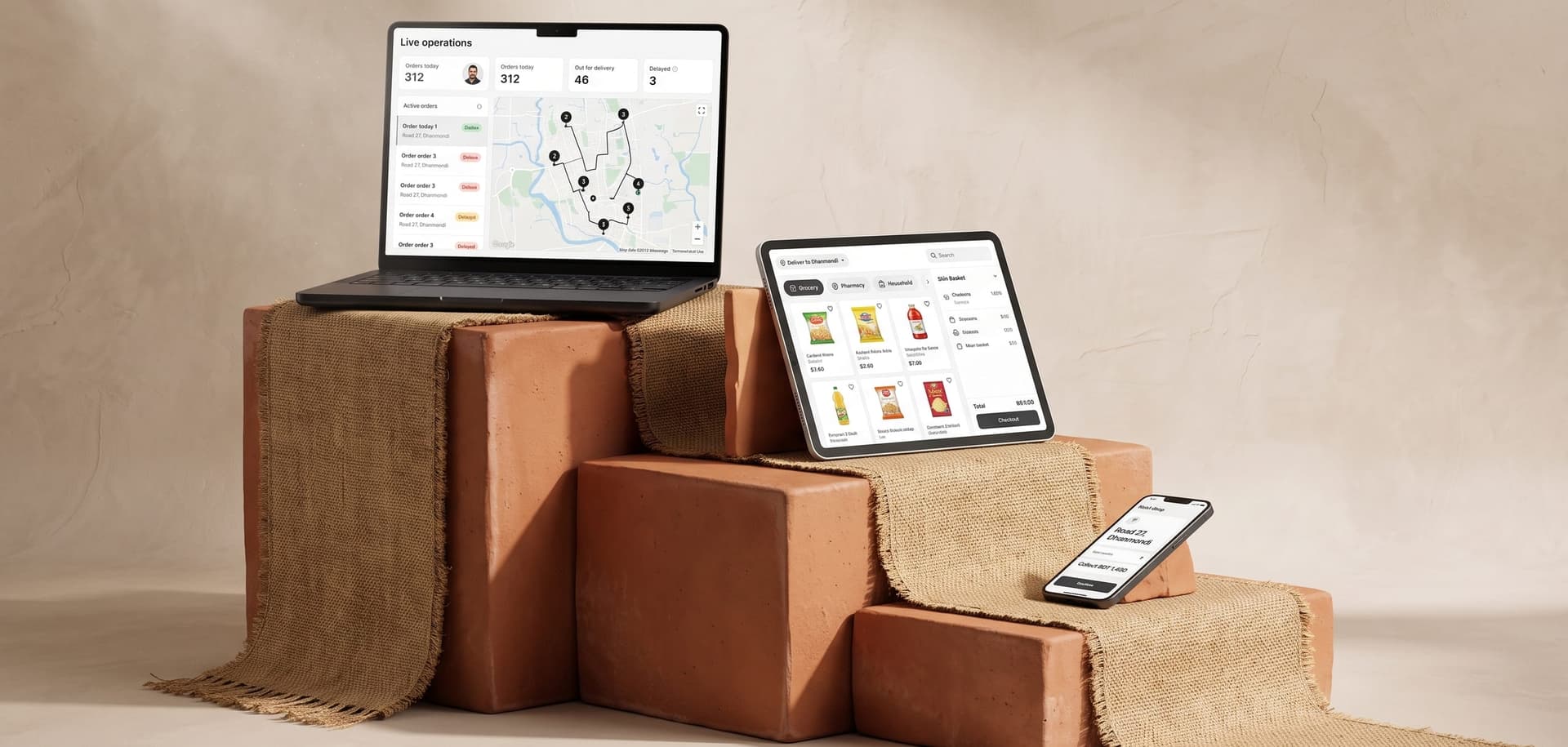
Signature Bangla needed a single platform that could sell across categories with almost nothing in common — groceries with short shelf lives, pharmacy items with regulatory constraints, and general household goods — while giving operations staff real-time visibility into orders, riders and inventory across multiple locations. A generic storefront could handle any one of those. None of them handled all three at once, and none showed operations what was happening on the ground while it was still happening.
Problem:
One Basket, Three Sets of Rules
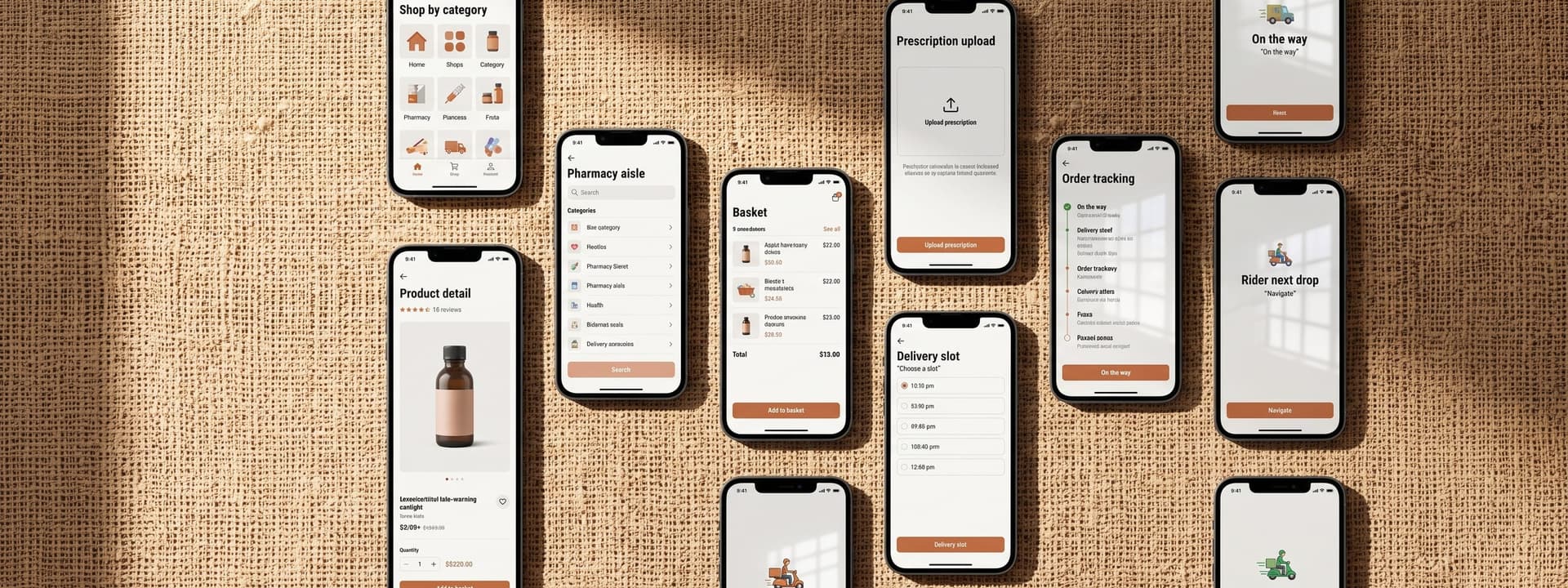
Signature Bangla was selling groceries, pharmacy items and household essentials through channels that had no idea the others existed. Stock counts drifted between locations, riders were dispatched from a phone call, and operations only found out an order had stalled when the customer chased it. The storefront and the back office had to be designed as one system, because every problem the client described lived in the gap between them.
Key issues identified:
- Three Catalogs, One Storefront: Groceries, pharmacy items and household goods each needed different stock rules, but customers expected a single basket.
- No Live Operations View: Staff could not see where riders were or which orders were stalling until a customer called to complain.
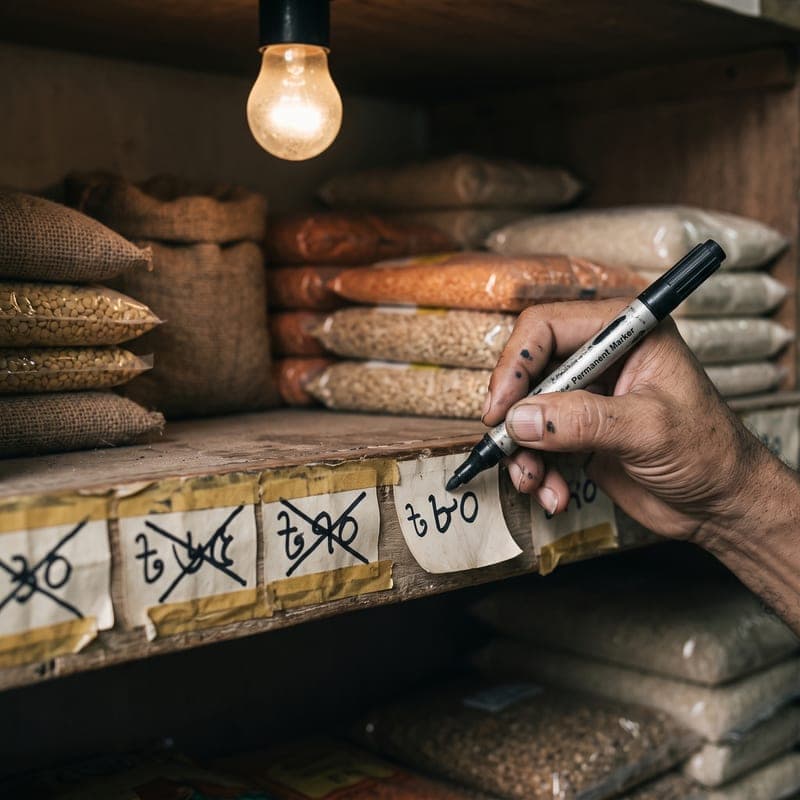
- Catalog Management By Hand: Every price and stock change was entered item by item, across multiple locations.


Solution:
A Location-Aware Storefront and an Operations Product Behind It
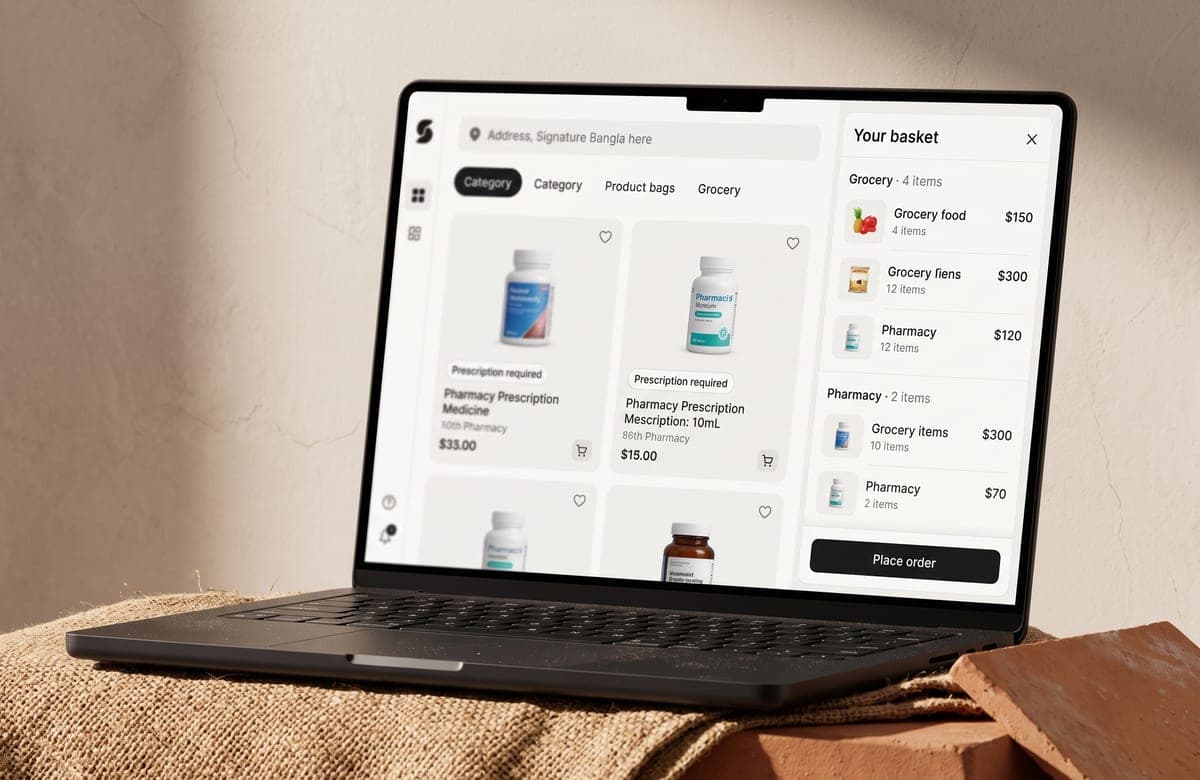
We built a customer-facing storefront with location-aware catalogs, coupons and order tracking: the basket is shared, but each category carries its own stock, availability and compliance rules underneath, so a pharmacy item never behaves like a bag of rice. Customers see one shop; the system knows it is running three.
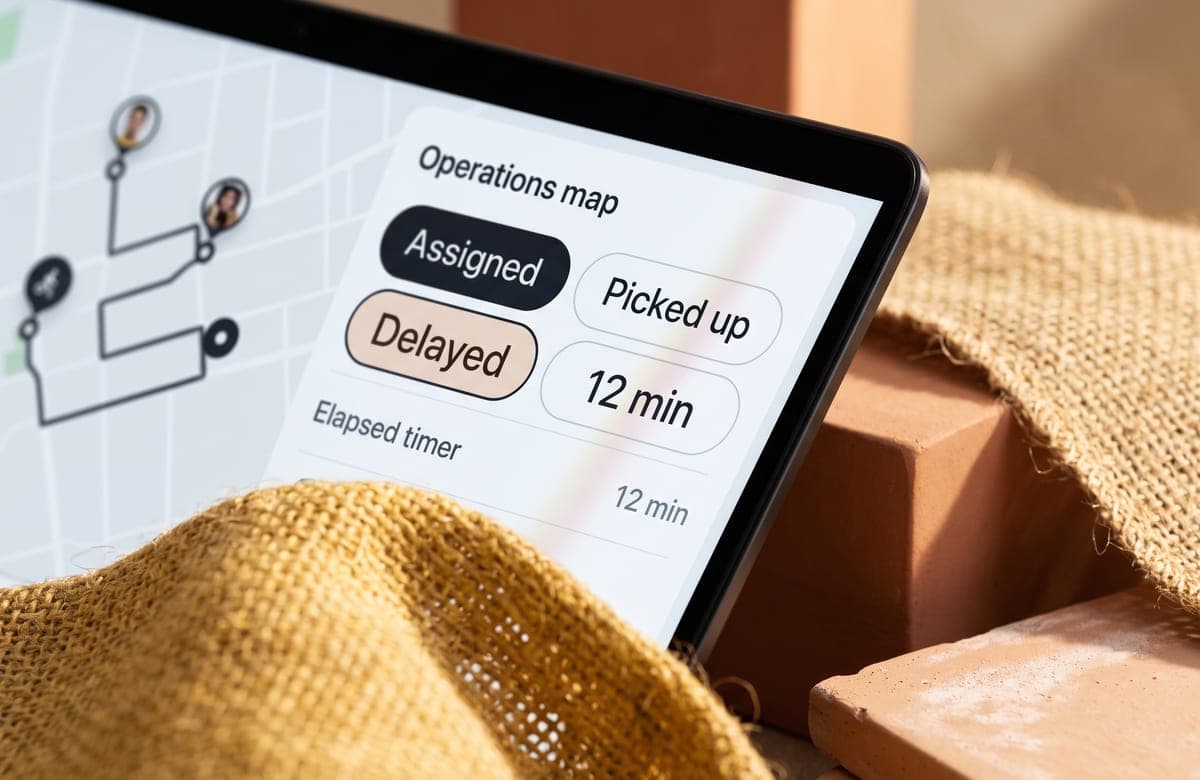
Behind it sits a dedicated operations dashboard — product and catalog management with bulk CSV upload, role-based staff access, and live rider tracking on an operations map over Socket.IO. Staff stopped finding out about stalled orders from the customer, and a full catalog refresh went from a day of manual entry to a single upload.
Key Takeaways:
What Multi-Category Commerce Actually Costs
The storefront was never the hard part. What decided this build was the data model underneath it — stock rules that differ per category, availability that differs per location, and an operations view that has to be accurate while an order is still moving rather than after it has failed. Getting that wrong is not a bug you patch later; it is a rebuild.
What this project reinforced:
- Model The Categories Separately: Shared checkout, separate stock rules — trying to force one product model onto all three is where these builds break.
- Operations Need Their Own Product: The admin dashboard is not an afterthought to the storefront; it is the tool the business actually runs on.
- Bulk Beats Beautiful: A plain CSV upload path saved more staff hours than any interface polish we could have shipped instead.
Outcomes & Impact:
Catalog Management
8x
Bulk CSV upload replaced item-by-item entry, cutting the time to publish a full catalog update from a working day to under an hour.
Order Visibility
Live
Operations staff track orders and riders on a real-time map over websockets, instead of learning about a stalled delivery from the customer.
Categories Unified
3
Groceries, pharmacy and general goods sell through one storefront and one basket, each with its own stock and compliance rules underneath.
Uptime Since Launch
99.9%
Monitoring, alerting and zero-downtime deploys were part of the build, so campaign-day traffic has not taken the platform offline.

Questions We GetAsked Most
Still have questions?
Ask us anything
// A focused MVP usually ships in 8–12 weeks. Larger SaaS platforms and multi-tenant systems run 4–6 months, delivered in two-week increments so you see working software throughout rather than at the end.