
Fashion eCommerce Storefront — Variants, Checkout & Merchandising
{ CASE STUDY DETAILS }
The problem, the decisions we made, and what actually changed for the client after launch
PROJECT NAME:
Fashion eCommerce Storefront
INDUSTRY:
Apparel & Retail
ENGAGEMENT:
Storefront + admin build
PLATFORMS:
Responsive web, admin panel
TOOLS USED:
Next.js, Node.js, PostgreSQL, Stripe, Cloudflare
LOCATION:
Dhaka, Bangladesh
Moving A Catalog Off Someone Else's Platform
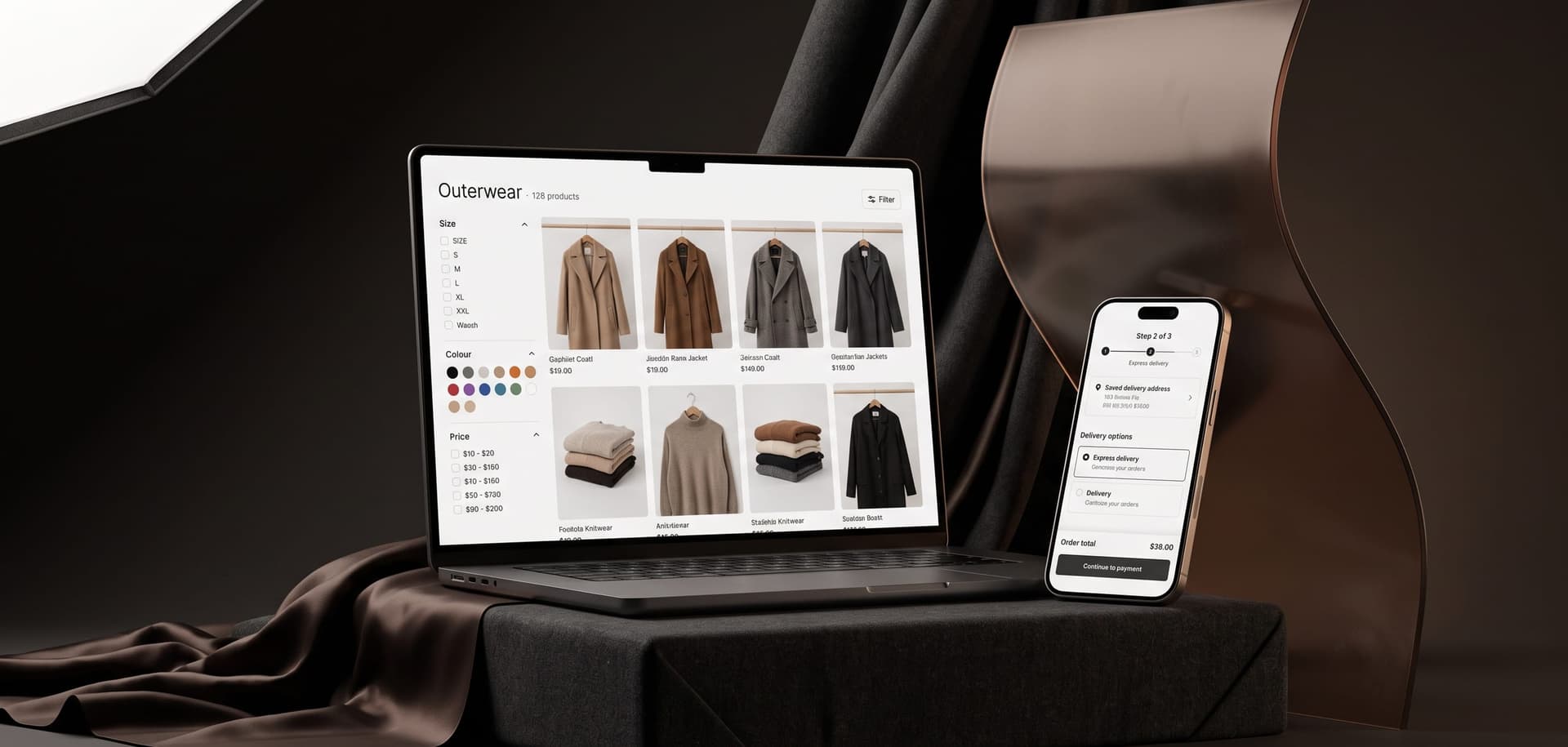
The brief was to take a catalog that sold well on a marketplace and stand it up on the client's own domain without losing the operational simplicity they were used to. That meant modelling size and colour variants properly, building a checkout short enough to survive mobile, and handing merchandising controls to the people who run campaigns — so promotions stop depending on an engineer's availability.
Problem:
Renting An Audience Instead Of Owning One
The client sold well on a marketplace and owned nothing for it — not the customer list, not the merchandising, not the margin. Every sale paid a commission, every product photo lived behind someone else's brand, and there was no way to run a campaign, bundle two items, or email a past buyer. They wanted the same catalog on their own domain without giving up the operational simplicity the marketplace gave them.
Key issues identified:
- No Customer Relationship: Orders arrived without a customer record, so repeat buying could not be encouraged or even measured.
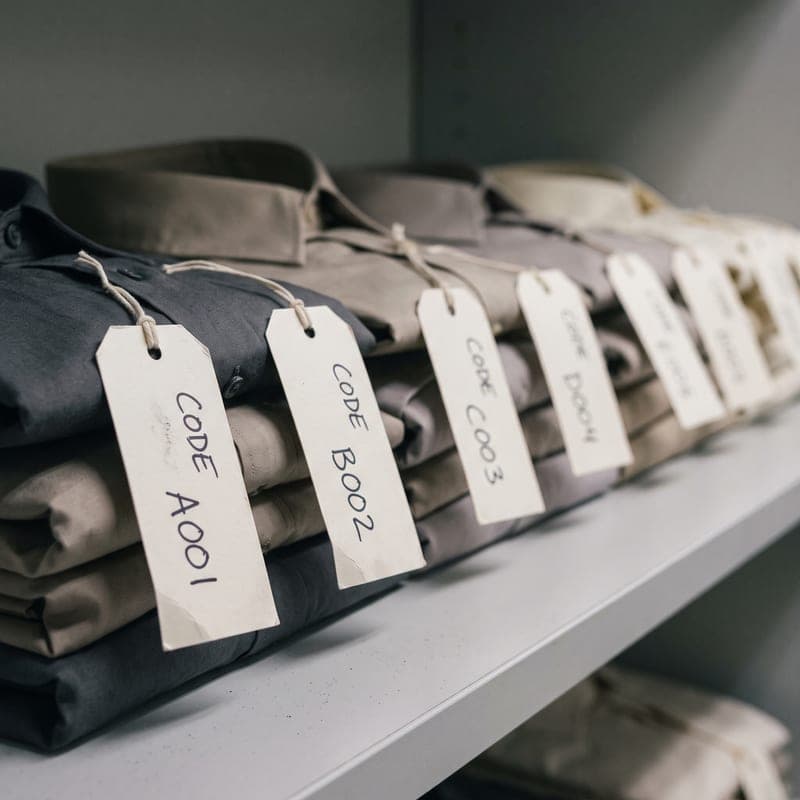
- Variants Modelled As Separate Products: Every size and colour was its own listing, which made stock counts and merchandising unmanageable.
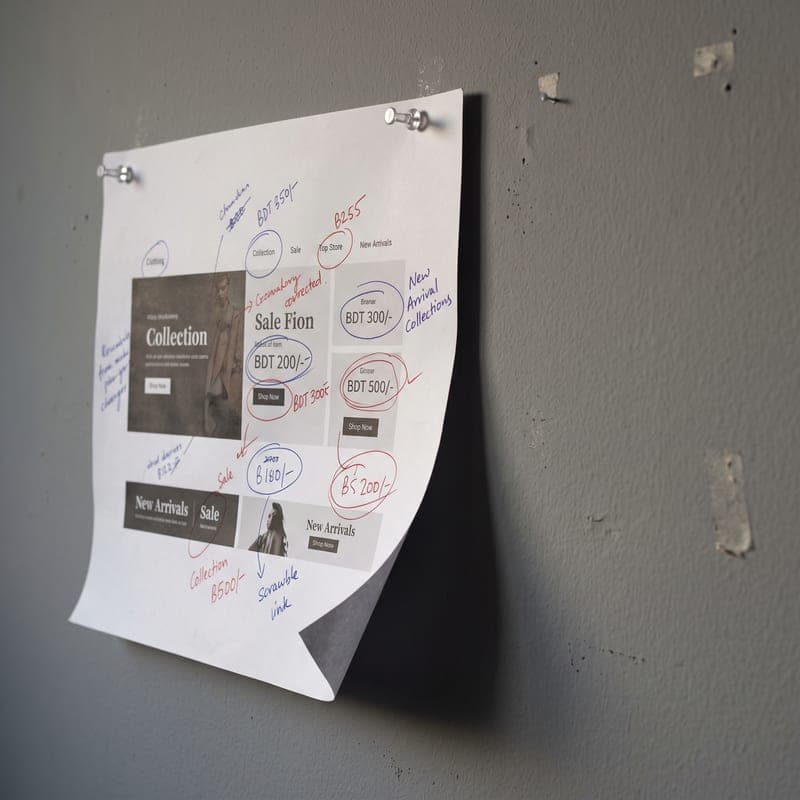
- Nothing Could Be Changed Without Help: Prices, banners and promotions all needed someone technical, so campaigns moved at the speed of a support ticket.

Solution:
A Real Product Model, Then A Storefront On Top Of It
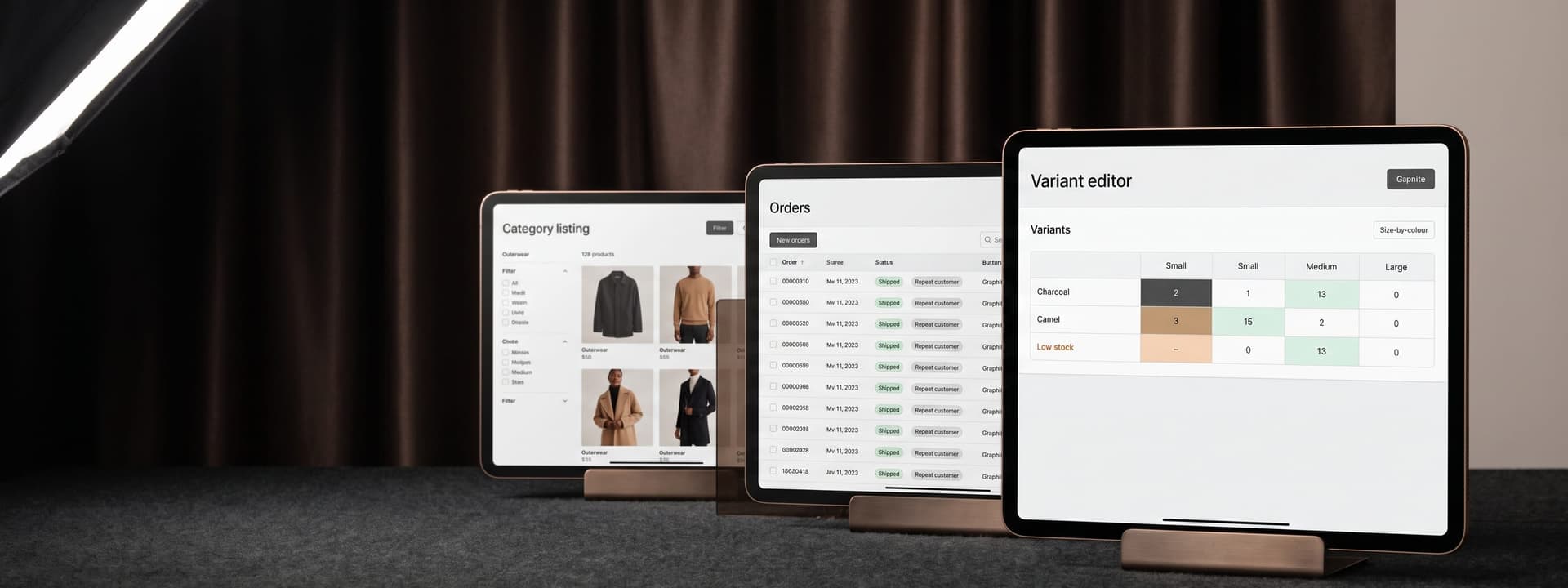
We modelled products and variants properly first: one product, many size and colour combinations, each with its own stock, price override and image set. That single decision is what made merchandising possible — a collection page, a bundle, a size-specific promotion and an accurate stock count all fall out of the same structure.
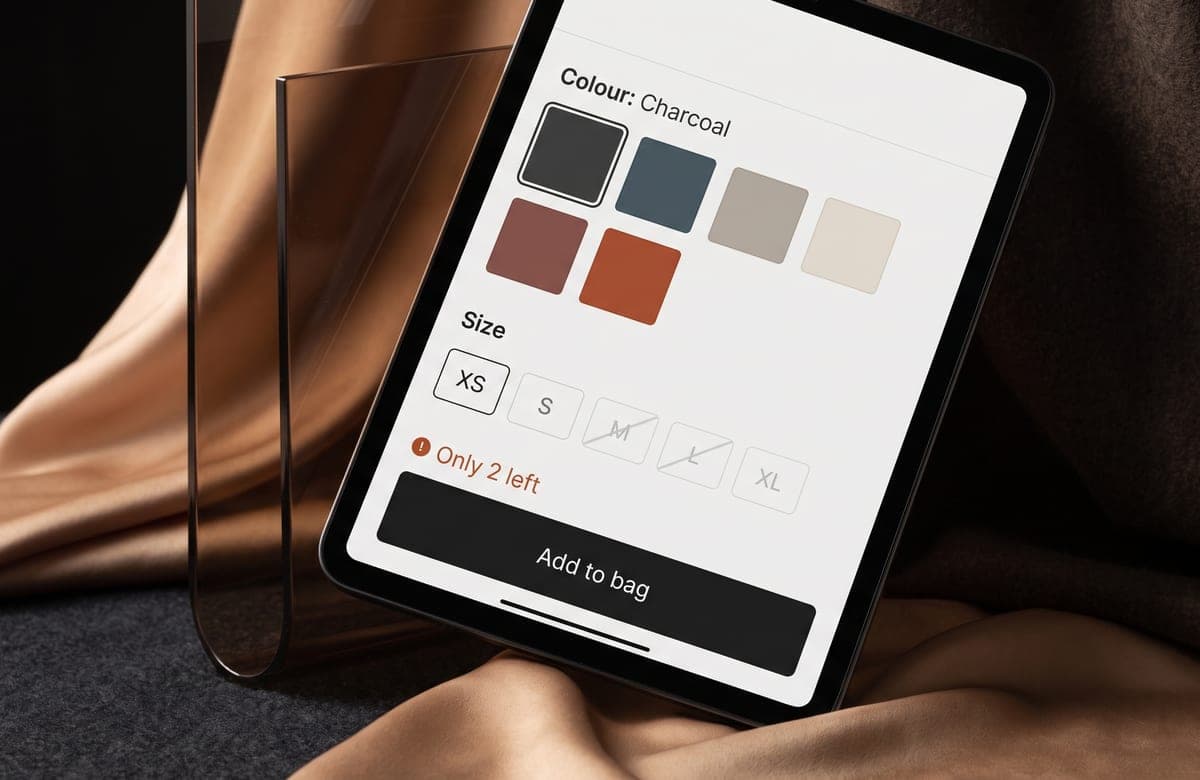
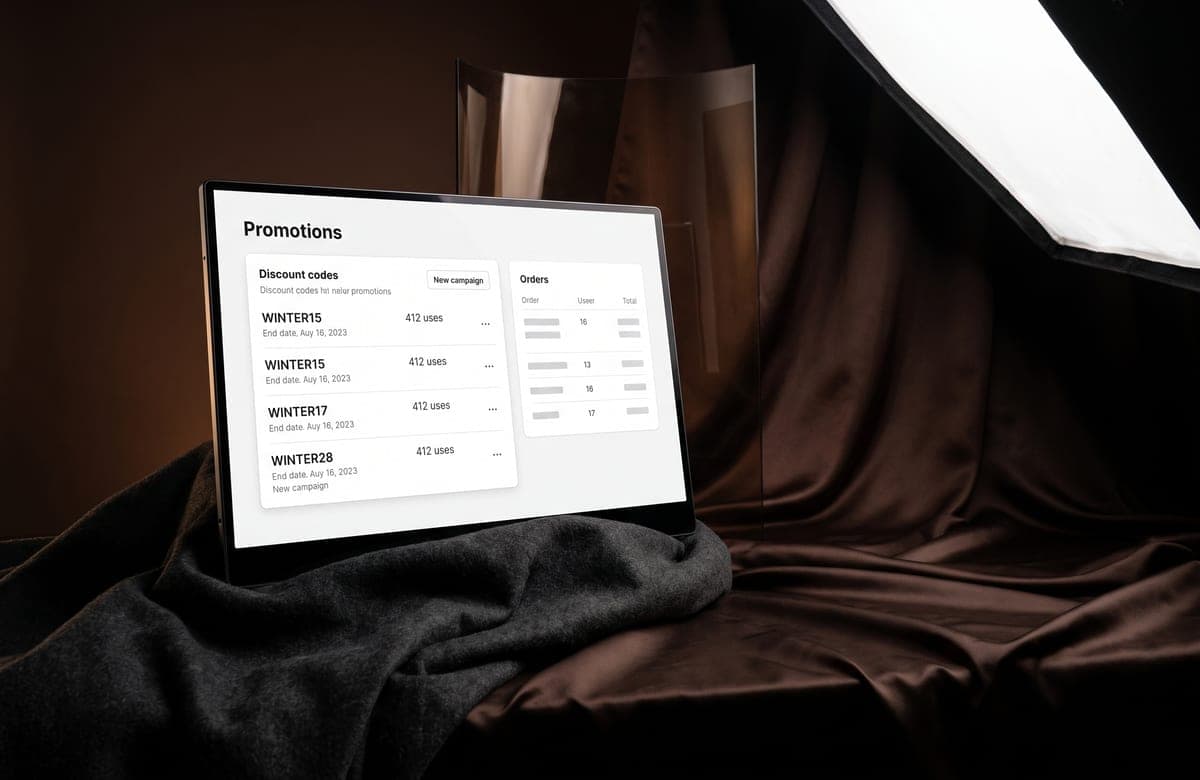
On top of it sits a storefront with filtered category browsing, a variant picker that disables combinations already sold out, and a three-step checkout with saved addresses. The admin panel covers products, stock, orders, discount codes and homepage banners, with role-based access so a merchandiser can run a campaign without touching order data.
Key Takeaways:
Merchandising Is A Data Model Problem
Every request the client made after launch — bundles, a sale collection, a size-specific discount, a low-stock alert — was cheap because variants were modelled as variants from day one. Teams that flatten variants into separate products save a week at the start and pay for it on every campaign afterwards.
What this project reinforced:
- Own The Customer Record: A storefront that does not capture a customer is a marketplace with extra steps.
- Disable, Do Not Hide: Showing a sold-out size as unavailable converts better than removing it, because it tells the shopper the size exists at all.
- Give Merchandisers The Controls: If a promotion needs an engineer, it will not run often enough to matter.
Outcomes & Impact:
Commission Per Sale
0%
Sales moved onto the client's own domain and payment account, so marketplace commission stopped applying to every order.
Campaign Turnaround
Same day
Banners, discount codes and collections are configured in the admin, so a promotion goes live without a deployment.
Checkout Steps
3
Cart, address and payment — with saved addresses for returning buyers and no forced account creation before the first purchase.
Catalog Accuracy
1 source
Stock lives against the variant rather than the listing, so what the storefront shows and what the warehouse holds stopped drifting apart.

Questions We GetAsked Most
Still have questions?
Ask us anything
// A focused MVP usually ships in 8–12 weeks. Larger SaaS platforms and multi-tenant systems run 4–6 months, delivered in two-week increments so you see working software throughout rather than at the end.